srael-Iran Conflict: U.S. Bombs Three Iranian Nuclear Sitessrael-Iran Conflict: U.S. Bombs Three Iranian Nuclear Sites

Did you know two countries far away argue like kids in a playground? First, let’s talk about Israel and Iran. These countries don’t get along. So, their fights make big news. Also, the U.S. sometimes joins in. Now, let’s learn about this in the simplest way.

What is the Conflict?

Israel and Iran are neighbors in a place called the Middle East. Next, they argue a lot. So, their fights worry people around the world. For example, Israel thinks Iran makes dangerous things like bombs. Meanwhile, Iran says it wants to protect itself. Therefore, they don’t trust each other. Also, this makes the Israel-Iran conflict the biggest challenge in their area.

Why Do They Disagree?

First, Israel and Iran have different ideas. So, Israel worries about Iran’s plans. For instance, Iran works on nuclear projects. Next, Israel thinks these projects are bad. Meanwhile, Iran says it needs them for energy. Also, both countries want to be strong. Therefore, they argue about who’s right. In addition, old fights make things worse.

What Did the U.S. Do?

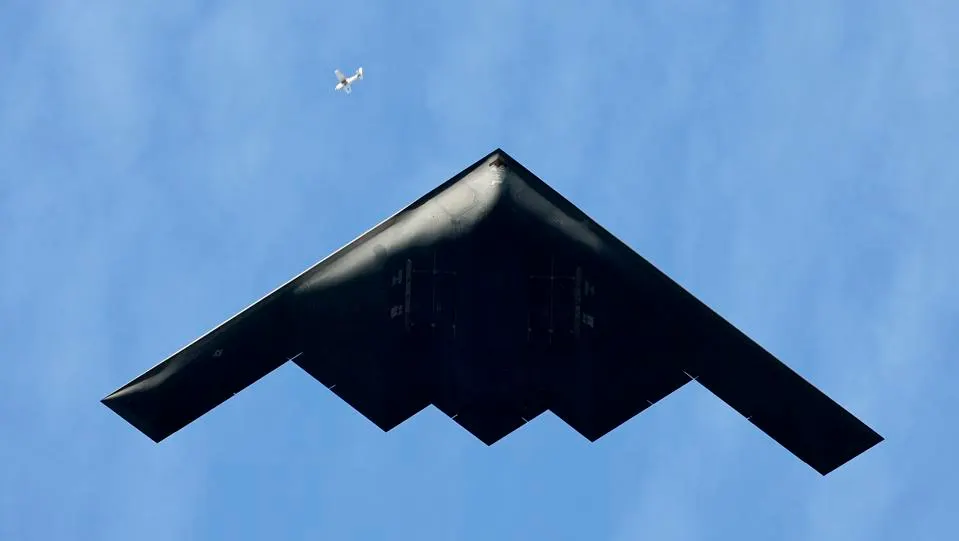
Now, let’s talk about the U.S. First, the U.S. helps Israel. So, it watches Iran closely. For example, news says the U.S. bombed three places in Iran. These places were where Iran worked on nuclear projects. Next, the U.S. said it wanted to keep everyone safe. However, Iran got mad. Also, this made the conflict bigger. Therefore, people wonder what happens next.

What Happens Next?

First, fights like this cause problems. So, countries talk to stop the fighting. For example, they meet to make peace. Next, people hope for no more bombs. Also, kids like you want a happy world. Therefore, leaders try to fix things. However, it takes time. In addition, everyone wants a safe place to live.

Conclusion

In the end, the Israel-Iran conflict is tough. But, people work to make peace. So, kids can dream of a happy world. Also, learning about this helps us understand. Therefore, let’s hope for a better tomorrow.

One thought on “Israel-Iran Conflict: A Simple Look at a Big Issue”

Leave a Reply

Your email address will not be published. Required fields are marked *

Ads by coinserom
Kameet
Privacy Overview

This website uses cookies so that we can provide you with the best user experience possible. Cookie information is stored in your browser and performs functions such as recognising you when you return to our website and helping our team to understand which sections of the website you find most interesting and useful.

(function() {
var host = "www.themoneytizer.com";
var element = document.createElement('script');
var firstScript = document.getElementsByTagName('script')[0];
var url = 'https://cmp.inmobi.com'
.concat('/choice/', '6Fv0cGNfc_bw8', '/', host, '/choice.js?tag_version=V3');
var uspTries = 0;
var uspTriesLimit = 3;
element.async = true;
element.type = 'text/javascript';
element.src = url;

firstScript.parentNode.insertBefore(element, firstScript);

function makeStub() {
var TCF_LOCATOR_NAME = '__tcfapiLocator';
var queue = [];
var win = window;
var cmpFrame;

function addFrame() {
var doc = win.document;
var otherCMP = !!(win.frames[TCF_LOCATOR_NAME]);

if (!otherCMP) {
if (doc.body) {
var iframe = doc.createElement('iframe');

iframe.style.cssText = 'display:none';
iframe.name = TCF_LOCATOR_NAME;
doc.body.appendChild(iframe);
} else {
setTimeout(addFrame, 5);
}
}
return !otherCMP;
}

function tcfAPIHandler() {
var gdprApplies;
var args = arguments;

if (!args.length) {
return queue;
} else if (args[0] === 'setGdprApplies') {
if (
args.length > 3 &&
args[2] === 2 &&
typeof args[3] === 'boolean'
) {
gdprApplies = args[3];
if (typeof args[2] === 'function') {
args[2]('set', true);
}
}
} else if (args[0] === 'ping') {
var retr = {
gdprApplies: gdprApplies,
cmpLoaded: false,
cmpStatus: 'stub'
};

if (typeof args[2] === 'function') {
args[2](retr);
}
} else {
if(args[0] === 'init' && typeof args[3] === 'object') {
args[3] = Object.assign(args[3], { tag_version: 'V3' });
}
queue.push(args);
}
}

function postMessageEventHandler(event) {
var msgIsString = typeof event.data === 'string';
var json = {};

try {
if (msgIsString) {
json = JSON.parse(event.data);
} else {
json = event.data;
}
} catch (ignore) {}

var payload = json.__tcfapiCall;

if (payload) {
window.__tcfapi(
payload.command,
payload.version,
function(retValue, success) {
var returnMsg = {
__tcfapiReturn: {
returnValue: retValue,
success: success,
callId: payload.callId
}
};
if (msgIsString) {
returnMsg = JSON.stringify(returnMsg);
}
if (event && event.source && event.source.postMessage) {
event.source.postMessage(returnMsg, '*');
}
},
payload.parameter
);
}
}

while (win) {
try {
if (win.frames[TCF_LOCATOR_NAME]) {
cmpFrame = win;
break;
}
} catch (ignore) {}

if (win === window.top) {
break;
}
win = win.parent;
}
if (!cmpFrame) {
addFrame();
win.__tcfapi = tcfAPIHandler;
win.addEventListener('message', postMessageEventHandler, false);
}
};

makeStub();

var uspStubFunction = function() {
var arg = arguments;
if (typeof window.__uspapi !== uspStubFunction) {
setTimeout(function() {
if (typeof window.__uspapi !== 'undefined') {
window.__uspapi.apply(window.__uspapi, arg);
}
}, 500);
}
};

var checkIfUspIsReady = function() {
uspTries++;
if (window.__uspapi === uspStubFunction && uspTries < uspTriesLimit) {
console.warn('USP is not accessible');
} else {
clearInterval(uspInterval);
}
};

if (typeof window.__uspapi === 'undefined') {
window.__uspapi = uspStubFunction;
var uspInterval = setInterval(checkIfUspIsReady, 6000);
}
})();